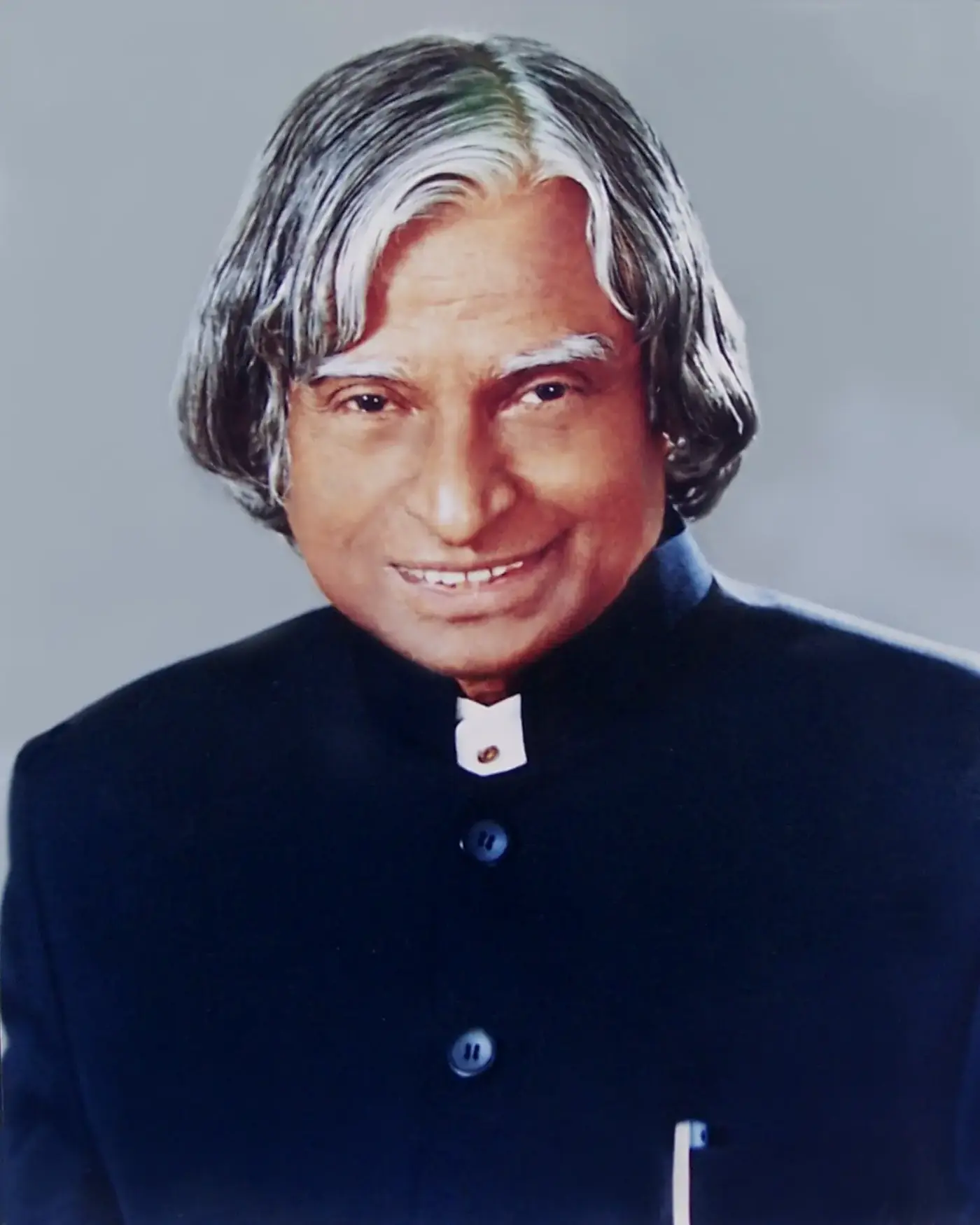
Scientist · India
A. P. J. Abdul Kalam
A boatman's son who caught newspaper bundles thrown from a train, he missed becoming a fighter pilot by one place, then led the project that built India's first satellite rocket, and later became its President.
01 / At a glance
- Born
- 15 October 1931, Rameswaram, Tamil Nadu
- Died
- 27 July 2015, Shillong, aged 83, after collapsing during a lecture at IIM Shillong
- Family
- Father Jainulabdeen, a boat owner and imam; the family was poor by the time he was born
- First wages
- Catching newspaper bundles for his cousin Samsuddin
- Education
- Physics, St Joseph's College, Tiruchirappalli (1954); aerospace engineering, Madras Institute of Technology
- Missed dream
- Air Force pilot: he placed ninth for eight places
- Big projects
- SLV-3 rocket (Rohini satellite in orbit, July 1980); Agni and Prithvi missiles; Pokhran-II tests (1998)
- President
- 11th President of India, 2002–2007
- Honours
- Bharat Ratna (1997)
- The question his life answers
- What do you do the day your rocket falls into the sea?
01 / Where he came from
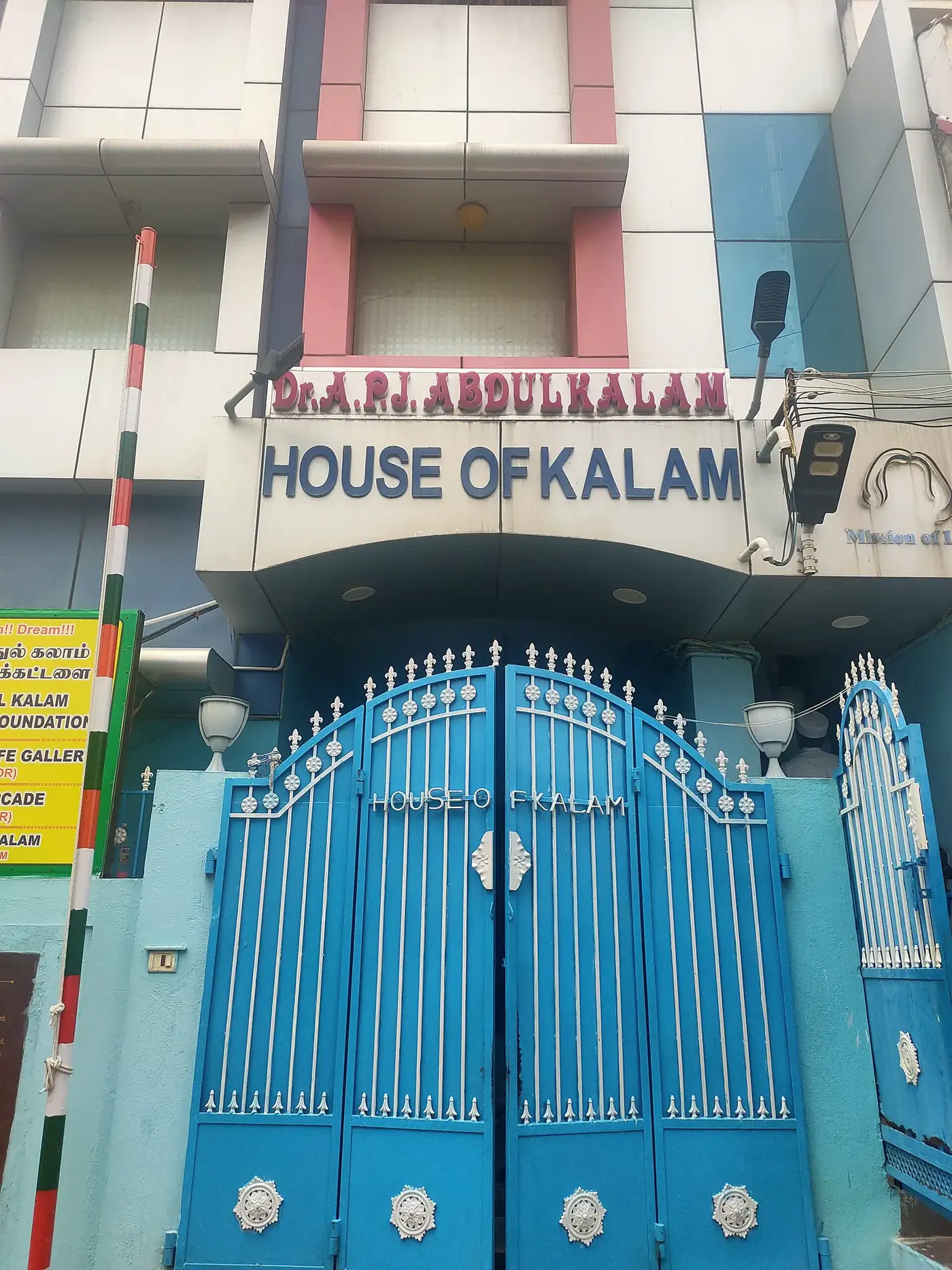
- Born on 15 October 1931 in Rameswaram, on Pamban Island. His father Jainulabdeen owned a boat and was imam of a local mosque. His mother Ashiamma ran the home.[1]
- The family business ferried pilgrims. It failed after the Pamban Bridge opened in 1914, and the family was poor by the time he was born.[1]
- At eight he collected tamarind seeds for a shop. "A day's collection would fetch me the princely sum of one anna."[2]
- When the war ended the train stop at Rameswaram, newspapers were bundled and thrown from moving trains. He caught the bundles for his cousin. "Samsuddin helped me earn my first wages."[2]
- His school grades were average, but teachers called him bright and hard-working.[1]
02 / Studying on a scholarship
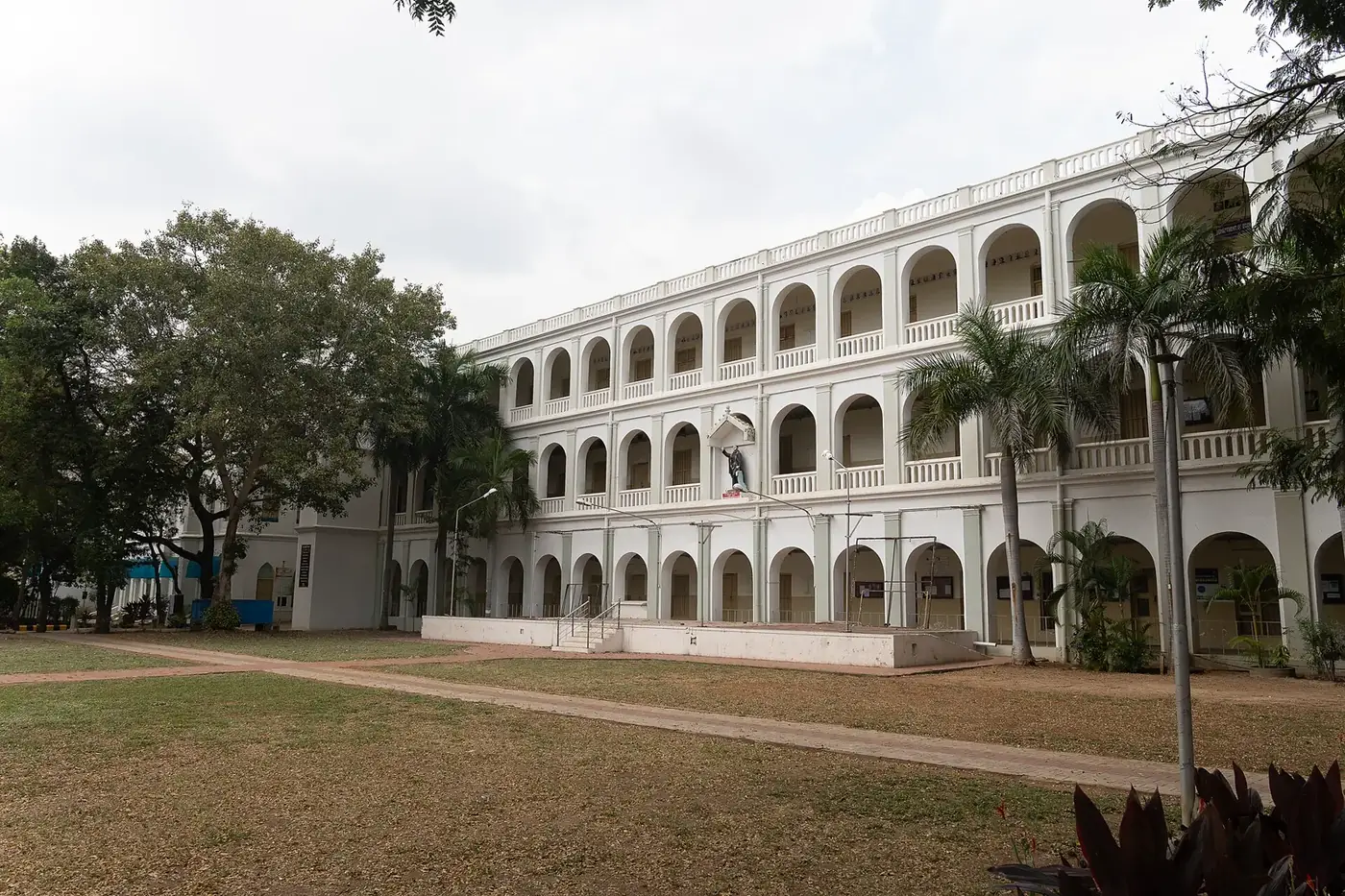
- He finished physics at St Joseph's College, Tiruchirappalli, in 1954, then studied aerospace engineering at the Madras Institute of Technology.[1]
- When a class project fell behind, the Dean said he would lose his scholarship unless it was done in three days. He finished it on time.[1]
- He wanted to be an Air Force pilot. He came ninth when there were eight places.[1]
- In 1960 he joined DRDO, India's defence research agency, and worked on small hovercraft. He was not sure he had picked the right job.[1]
03 / The rocket that fell into the sea
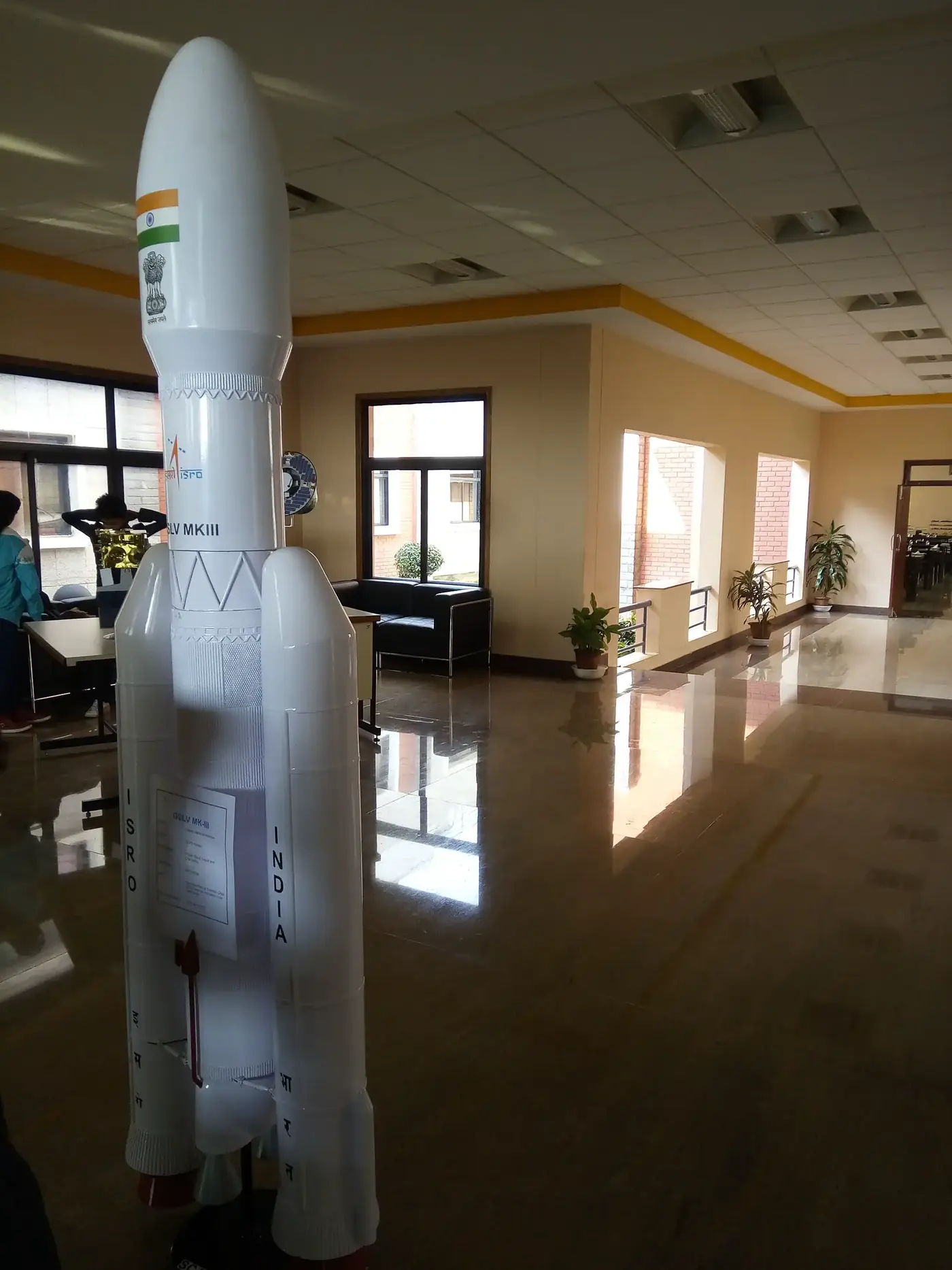
- In 1969 he moved to ISRO, where he became project director of SLV-3, India's first satellite launch vehicle.[1][4]
- August 1979: minutes before launch, the computer put the launch on hold. His experts told him not to worry; there was enough reserve fuel. "So I bypassed the computer, switched to manual mode, and launched the rocket." The second stage failed and the rocket went into the Bay of Bengal. "It was a big failure."[3][4]
- ISRO's chairman, Satish Dhawan, faced the press himself and took the blame.[3]
- On 18 July 1980 SLV-3 put the Rohini satellite in orbit. This time Dhawan told him: "You conduct the press conference today."[3][4]
- His lesson: "When failure occurred, the leader of the organization owned that failure. When success came, he gave it to his team."[3]
04 / Missiles and the 1998 tests
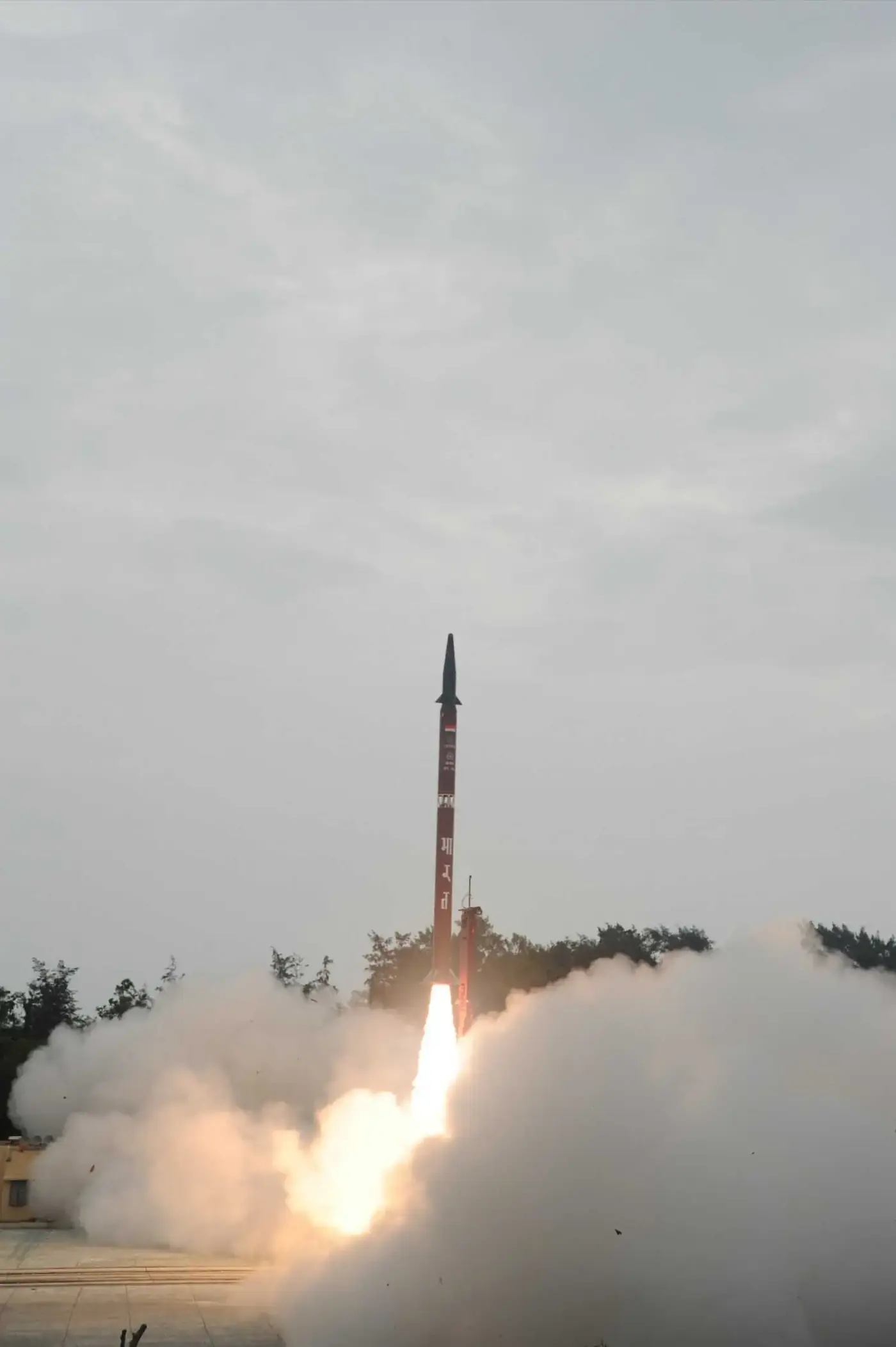
- The government gave ₹3.88 billion to the Integrated Guided Missile Development Programme and put him in charge.[1]
- He led work on the Agni and Prithvi missiles, despite cost and time overruns. People called him the "Missile Man of India".[1]
- He played a key role in the Pokhran-II nuclear tests in May 1998.[1]
- The same year, with cardiologist Bhupathiraju Somaraju, he developed a low-cost heart stent, the "Kalam-Raju stent".[1]
05 / The People's President
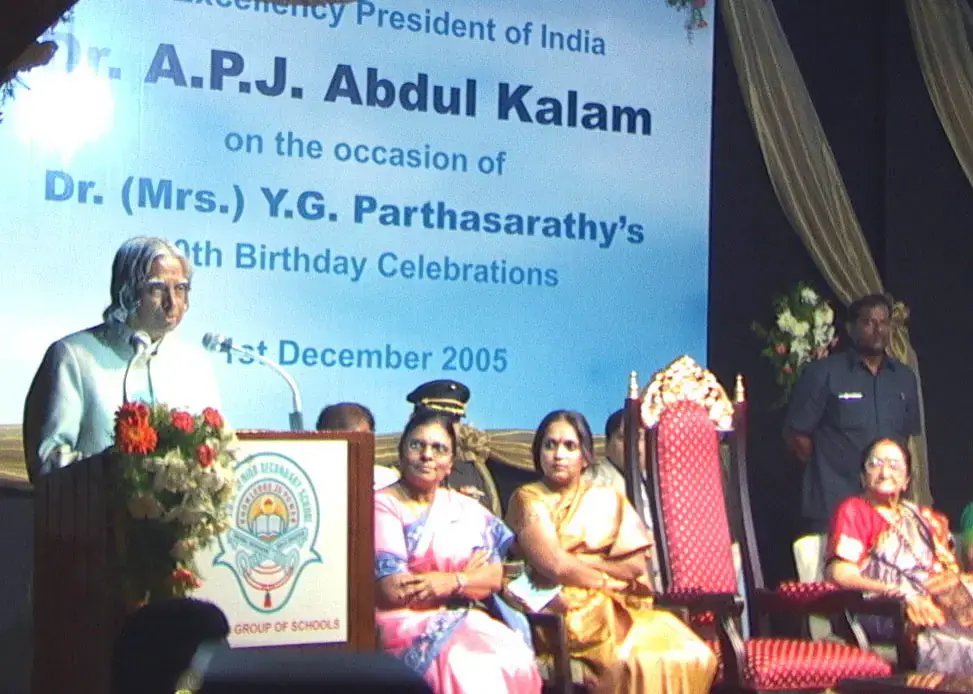
- In 2002 he won the presidential election with 922,884 votes to 107,366. He was the first scientist and the first bachelor to hold the post.[1]
- He became known as the "People's President". In June 2007 he said he would consider a second term if victory was certain. Two days later he decided not to run, saying he wanted to keep Rashtrapati Bhavan out of politics.[1]
- On 27 July 2015 he collapsed five minutes into a lecture at IIM Shillong and died that evening.[1]
- More than 350,000 people came to his burial in Rameswaram. He left no will; his things went to his eldest brother.[1]
Lessons
- Any honest work counts. His first wages came from catching newspaper bundles.
- Missing your first dream can open a better one. He did not get into the Air Force and ended up building rockets.
- Own your failures in public. His boss did it for him in 1979, and Kalam called it the best management lesson he ever learned.
- Be honest about your calls. He openly told how he overrode a computer hold on the 1979 launch, which then failed in its second stage.
- Live simply. The former President left behind no will and very few possessions.
Read more
Key sources
Watch
Dr. A.P.J. Abdul Kalam | Missile Man | Documentary
Prasar Bharati Archives
Prasar Bharati archive film on his rocket and missile years.
Watch on YouTubeA little Dream - A Life Documentary on Dr. A.P.J. Abdul Kalam
OfficialKalam.com
A Little Dream: life film from Rameswaram to Rashtrapati Bhavan, on his official channel.
Watch on YouTubeIndia Interacts with Dr. A P J Abdul Kalam
Sansad TV
Sansad TV: Kalam answers questions from people across India (may be partly Hindi).
Watch on YouTubePride of India I Guru Dr. A.P.J. Abdul Kalam EP #06
Doordarshan National
Doordarshan's Pride of India episode on Kalam.
Watch on YouTubeMemories: Dr. APJ Abdul Kalam's speech at European Union
PIB India
Short PIB clip of his speech at the European Parliament.
Watch on YouTube